(circa 1975-1988)
Growing up on a sailboat was the best. I wouldn’t trade it for anything. From amongst my first memories on the catamaran, to a long happy childhood spend on one or the other, or the other, (or the other) boat, usually at the marina.
It’s also boring. Mindy and I are perpetually looking for something to do at the marina. There’s nothing to do.
Marinas are generally shallow and the tides can affect your ability to see the bottom. During low tide, we can see a bunch of red harbor crabs down there…
I wonder if we can catch ‘em?
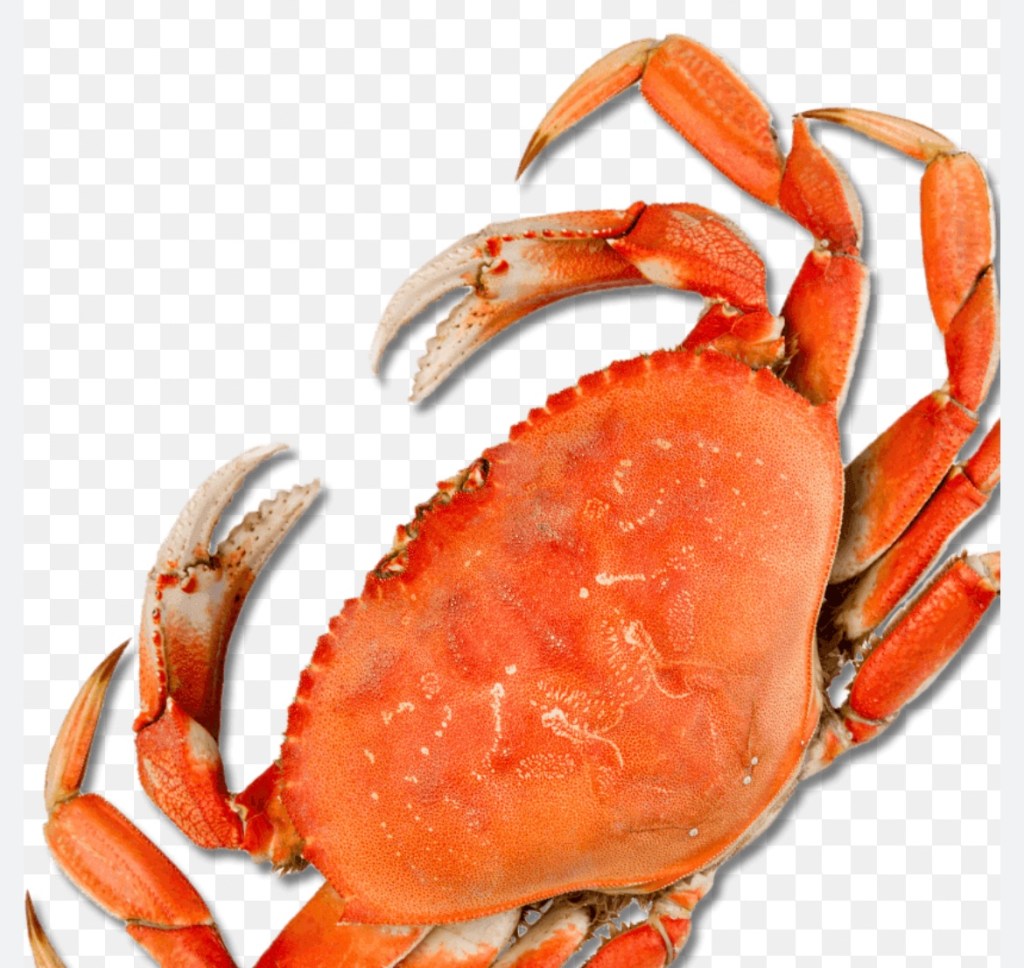
Enter the “lobster” trap, or, the lobster trap that really wasn’t. A gift from Dad, presumably so Mindy and I could occupy ourselves in some way other than stomping on the deck or running barefoot up and down the docks.
This is a “lobster” trap of a variety that is the pariah of marine biologists, conservationists and pretty much decent people everywhere. I think they have since stopped selling them based on either a legal ban or maybe just social responsibility. The principle is that you put bait in the trap and lobsters climb into it through some kind of one way only entry, and can’t get back out.
All fine and good, unless it gets lost or abandoned, in which case it continues to lure, trap and kill lobsters and other things in perpetuity.
Whatever. At age seven or eight when we got it and in full possession of your average seven or eight year old’s sense of social responsibility, I thought it was the greatest thing in the world.
A plastic grate, about a 30” diameter disc for a base, in the center a small removable cage (kitchen) designed to hold the bait, usually cat food, sometimes fish guts, or everyone’s favorite abalone guts… mounted to the perimeter of the base was a sort of dome/cage which formed the volume of the trap (the parlor). At the top of the dome cage was a passage approximately six inches in diameter, this was lined with long flexible plastic prongs that faced inwards. Think of the tire spikes that allow you to drive into a parking lot, but cause severe tire damage if you try to back out.
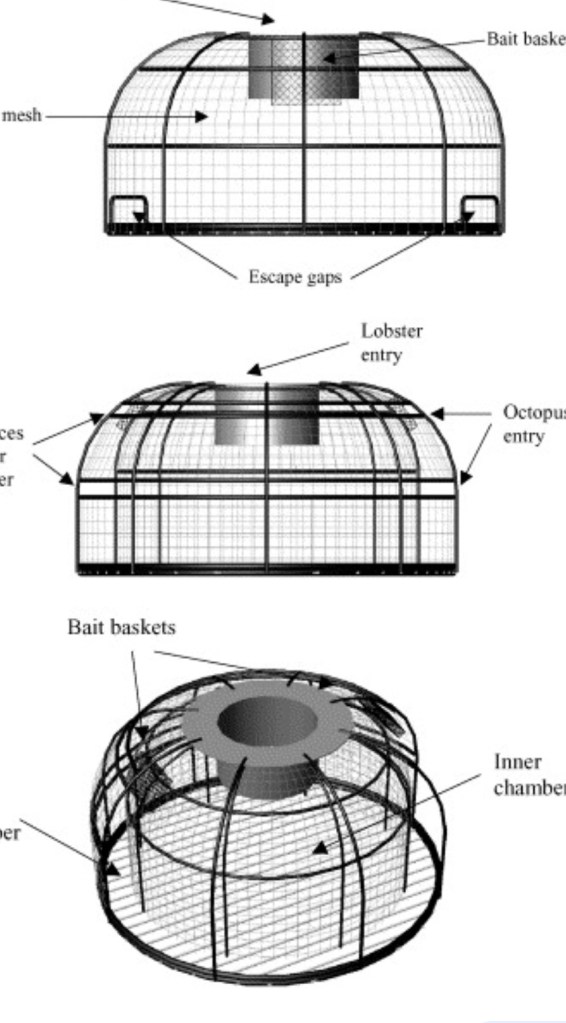
Put some bait it that thing, tie a line to it and throw out over the side. Leave it overnight, pull it up in the morning and see what you got. Fun!
The “lobster” trap transcended three of our family boats.
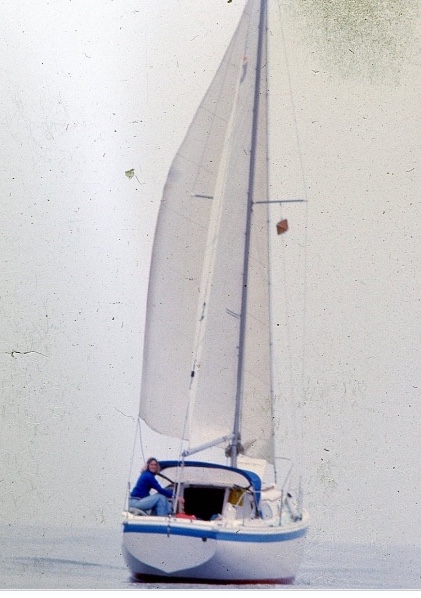
Nada Mas was a Colombia 28, a 28’ all fiberglass sailboat/sloop. (Pre Dostals) It was moored in Marina del Rey. I think we got it when I was five. I definitely remember the exact day we decided to sell it in favor of a power boat though. A miserable 14 hour upwind transit from Catalina back to Marina del Rey marked my father’s temporary sailing apostasy. Foreswearing all sailboats from now on…
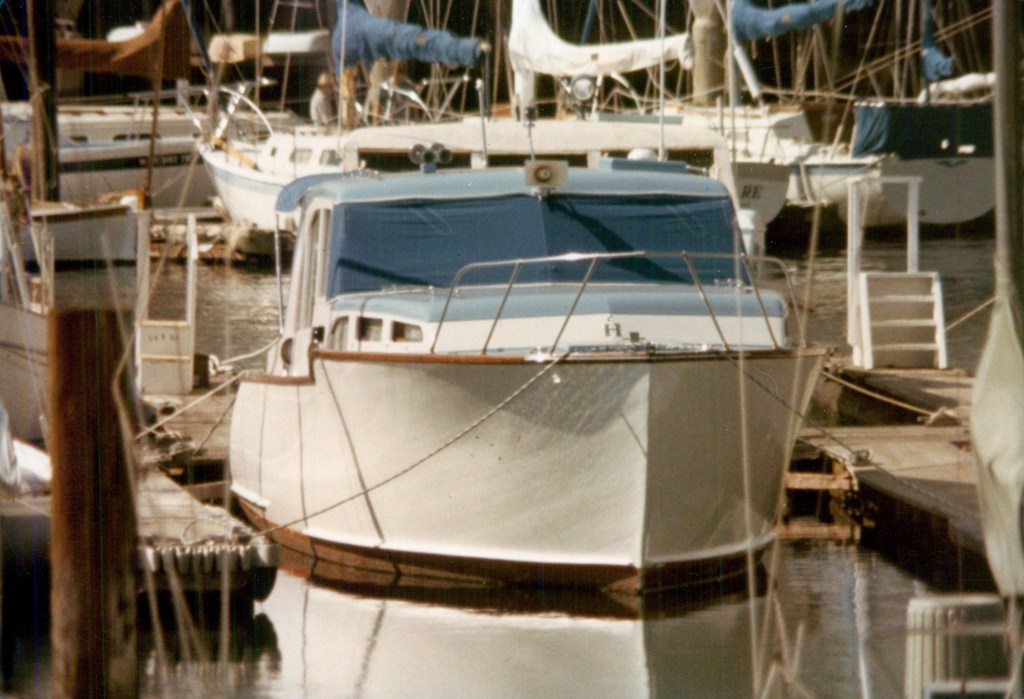
Fun Hunter, a Hunter 36; wood hull 36’ long powerboat with twin brute, stinky, loud gas engines. Antithesis of sailing. Our nickname for it was the Stinkpot. It also came with all kinds of problems. Valuable lesson learned at early age: Dry rot and wooden boats are a thing to avoid. I think we acquired Fun Hunter when I was about eight years old. We moved to Fleitz Brothers Marina in San Pedro when we got it. Sorry to leave Marina del Rey, but happy to gain… Dostals!… Mercifully, it was but a little pink taster spoon of powerboats. Blech! Maybe a year.
When we finally sickened of the wreek of the engines and the Sisyphean task of dealing with the dry rot, we sold Fun Hunter and got Alleluia, a Mariner 31, fiberglass hull with wood deck and cabin. Back to sailing, this was a spectacularly stunning 31’ ketch. An integral part of our family until quite recently. I was *so* glad to get back to sailing, we all were.

The “lobster” trap transcended all of this.
Whenever we went out or even if we just stayed in the marina, it was my job to bait and set the “lobster” trap.
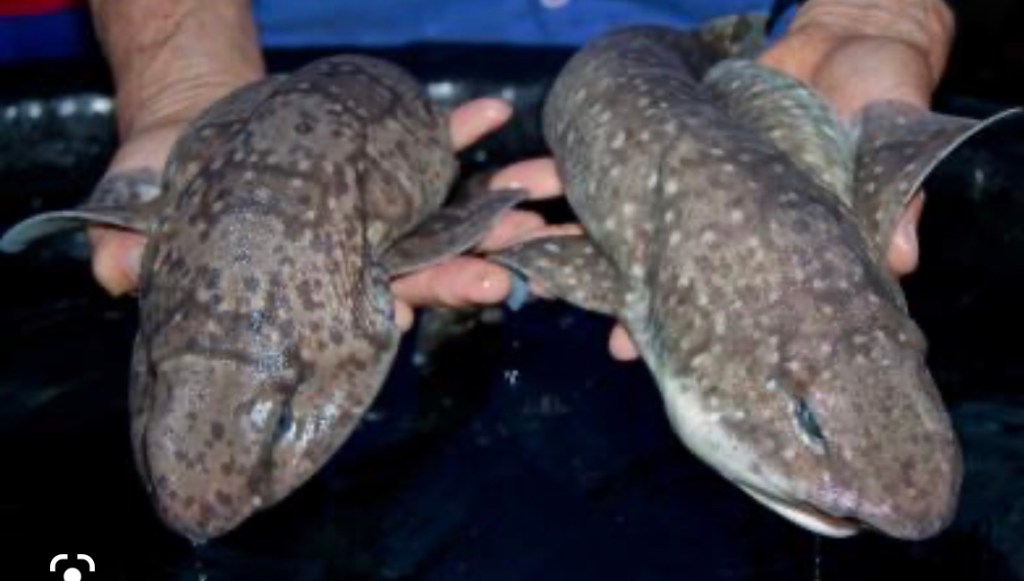
Ever productive, in service for maybe a dozen years, we caught everything in that trap and we studiously ate what we caught. Harbor crabs by the gross, innumerable count and variety of fish, sheepshead, calico bass, opaleye, mackerel, a 4’ long leopard shark, even a pair of incensed and ill tempered swell sharks (didn’t eat those…)
The single most bizarre “lobster” trap catch has to be the moray eel.
Aboard Alleluia, we were anchored above a shallow sandy bottom at White’s Landing in Catalina. My Dad had managed to pry loose a couple abalone, at that time vanishingly rare, on a free dive a few days before, so we went with abalone guts as bait.
From the moment we threw the trap in the water, we could tell the abalone was a hit. Everybody came out in schools for it, including a lone moray eel.
Apart from maybe big predatory “Jaws” like sharks, Moray eels are easily the most terrifying of the local marine animals. Although technically a fish, they look like snakes. But not just any snake, these things have girth, huge fat muscular snakes about six inches thick, long bodies that look and behave like Duane Johnson’s biceps. They range in color from rotten plum purple to the exact fake Halloween green of a witch’s skin. They have evil little satanic eyes and a mouth full of snaggletoothed, flesh slicing teeth… Also, they breath with their mouth open. Not to say that this mouth breathing habit is any kind of empty threat. They are indeed ill tempered, aggressive biters.
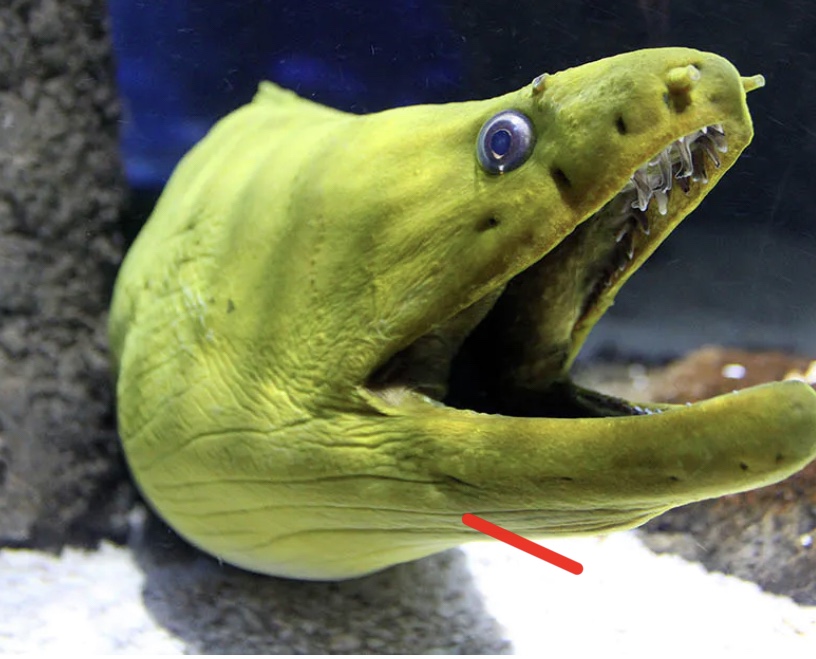
To pile on, they have something called a pharyngeal jaw, which sounds like something dreamt up by Stephen King or Wes Craven or M. Night Shyamalan… It’s an entirely separate set of jaws and needle like teeth located in their throat… they use this as a sort of warranty to assure they can swallow anything they bite.
Fun fact! they always occupy the exact same dark crack or crevice as the lobster you are trying to grab with your hands.
These guys are definitely the demons of the sea.
Normally reclusive cave dwellers, it is odd that a moray eel would come out across a sandy bottom and swim directly into our “lobster” trap, but that is exactly what I watched it do.
Unsure of what to do next, I hauled the trap to the surface with the eel and at least a dozen other fish inside. A trailing stream of fish by the hundreds chase the trap to the surface attempting to get at the delectable abalone treat.
Pre internet days, we consult an actual printed book (the novelty, oh how quaint) and find out that if properly prepared and if caught under certain conditions and in certain locations, moray eel can be quite good eating.
The moray eel was understandably furious about this turn of events and was definitely communicating this via body language. I think we should just take the trap out of the water and put it on the deck for a little while, give him some time to calm down before we open it. A few hour cooling off period.
Several hours later, although out of the water the entire time, the eel is still squirming, slithering and to my horror, enthusiastically biting the plastic cage. My Dad and I agree that if we don’t open the cage, the other dozen or so fish in the trap will go to waste. We manage to wrangle the trap back to the cockpit, open it and allow the thoroughly pissed off creature to fully occupy the small rectangular cockpit while we clean the other fish. Maybe *now* it will calm down.
Fish cleaning done… and moray eel still exuding murderous hate at us with every pore of its being, my Dad engages the eel with the filet knife. An epic struggle later, my dad has managed to behead the beast.
The disembodied head proceeds to snap at the filet knife, while the eel body, also showing no sign of discouragement, continues to slither and creep and generally prepare to attack. Horrific.
We did finally manage to subdue the head and prepare the rest and cook it. As I recall, tastes like chicken. I could have sworn I saw it slither in the pan.
To this day I still have the occasional nightmare about that guy coming for me.
To the best of my recollection, in spite of the otherwise prolific efficacy of the “lobster” trap, we never once managed to catch a single, actual bonafide lobster in the thing.
 How a Person Should Be